Agriculture · September 2026
Why solar pumps beat rain-fed luck
Water on demand is the cheapest climate adaptation most farms will ever buy.
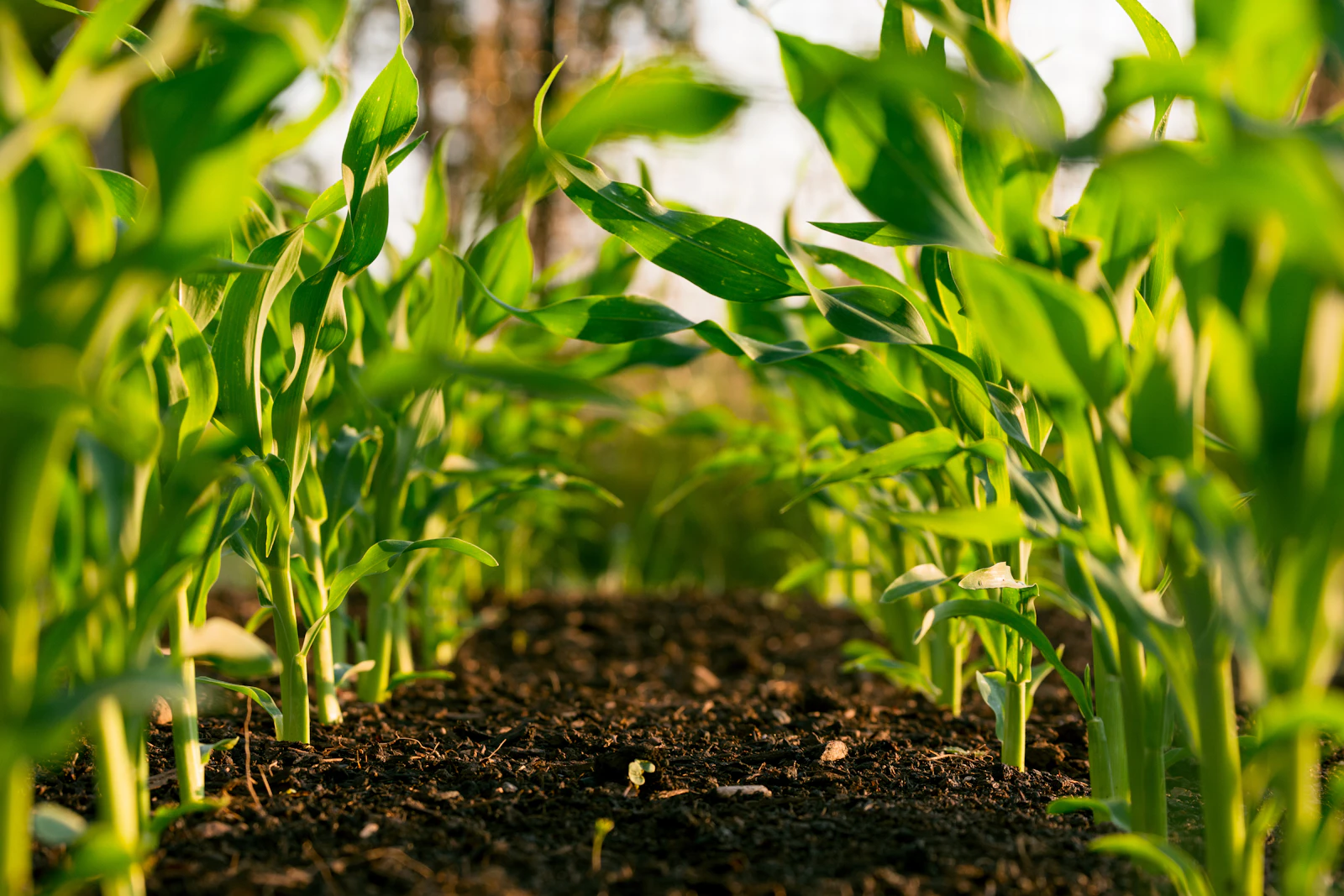
Rain-fed maize is a bet on a sky that has become unreliable. Across Matabeleland and the dry south, schemes that switched irrigation pumps from diesel — or from waiting-for-rain — to solar have reported yield jumps that would look like marketing copy, except extension officers keep repeating them. Five tonnes a hectare becoming ten is not a slogan. It is what happens when water arrives in the week the crop actually needs it.
The economics in plain language
A small solar pump can irrigate one to two hectares. Kits start in the low hundreds of dollars for household plots and climb toward several thousand for a hectare done properly. Paybacks of one to six years show up again and again in energy-for-agriculture studies, because diesel is a monthly wound and sunshine is not.
The hidden win is labour and time. Women and youth stop walking water. Plots intensify. A second crop becomes thinkable in the dry season.
Design rules we will not break
- Size the pump to the borehole and the crop, not to the sales brochure.
- Protect the array — theft and dust kill more systems than inverters do.
- Pair water with seed and soil advice or you will irrigate a tired field beautifully.
- Plan a service visit before the first breakdown, not after.
GSN designs agricultural energy as a farm system, not a gadget. Tell us the hectares and the water source.